
The argument in favor of using filler text goes something like this: If you use any real content in the Consulting Process anytime you reach.



Planting Spring Bulbs for a Long Display

The secret is in the layering
Most gardeners plant bulbs one variety at a time, which gives you three or four glorious weeks and then nothing. Layer them instead, and a single pot or border can flower from late January right through to early July. The idea is simple: different bulbs sit at different depths, so they don't compete for space, and each one takes its turn at the front of the stage.
This technique is sometimes called lasagne planting, and it works just as well in a generous container as it does in open ground. The trick is to combine bulbs with overlapping but distinct flowering windows, and to put the largest bulbs deepest and the smallest closest to the surface.
Building the sequence from late winter onwards
Aim for a rolling wave rather than a single crescendo. A useful timetable for most of the UK looks like this:
- January–February: snowdrops, winter aconite, Cyclamen coum
- February–March: crocus (Crocus tommasinianus is the best for naturalising), dwarf Iris reticulata, Anemone blanda
- March–April: early daffodils, hyacinths, Scilla siberica, Puschkinia
- April–May: mid and late daffodils, species tulips and Darwin hybrids, snake's head fritillary
- May–June: alliums, camassia, Nectaroscordum
- June–July: Allium sphaerocephalon, which bridges neatly into summer perennials
You don't need all of them. Choosing five or six from across the list will transform a pot that once gave a fortnight into one worth watching for months.
Lasagne planting in pots, step by step
Use a container at least 35cm across and 35cm deep, with drainage holes and a few crocks or a layer of grit in the base. A peat-free multipurpose compost mixed with about a fifth horticultural grit gives the free drainage bulbs demand.
- Start with the largest, latest-flowering bulbs — tulips — at roughly 20cm deep. Space them so they are close but not touching.
- Add a 5cm layer of compost, then daffodils or hyacinths at around 15cm.
- Another layer, then crocus, dwarf iris or muscari at about 8cm.
- Finish with the smallest: snowdrops, Anemone blanda or Puschkinia, just below the surface.
- Top with 3cm of grit. This suppresses weeds, sets off the flowers and deters squirrels, who dislike rooting through it.
Water once after planting, then leave the pot outdoors in a sunny spot. Raise it onto pot feet so it never sits in winter wet. Plant tulips in November or December rather than September; a spell of cold discourages disease.
Bulbs in borders: simple rules that pay off
In the open ground, the rule of thumb is to plant each bulb at three times its own height. That means tulips at 15–20cm, daffodils at 10–15cm and crocus at 8–10cm. Following it properly matters more than most people expect: shallow planting leads to floppy stems and bulbs that split into leaves without flowering.
Drainage is the other essential. On heavy clay, fork in grit and a little well-rotted organic matter before planting, and never let bulbs sit in a hollow that collects water. Plant in drifts rather than neat rows, and mark the area with discreet sticks so you don't skewer them with a fork in spring.
To hide the inevitable yellowing foliage, interplant with hardy geraniums, alchemilla or nepeta, which will be pushing up as the bulbs fade and will carry the border through to midsummer.
Naturalising in grass for year-on-year impact
Nothing looks better than bulbs scattered through rough grass, but not every variety will settle in and multiply. The reliable naturalisers include Narcissus pseudonarcissus and its cultivars 'Thalia', 'Actaea' and 'Hawera', Crocus tommasinianus, snake's head fritillary, Leucojum aestivum and camassia. Fancy double tulips and showy hyacinths are best kept for pots, where you can replace them each year.
For an informal look, toss a handful of bulbs across the lawn and plant them where they land. A bulb planter or a lifted turf flap works well; just be sure to firm everything back down afterwards.
The critical rule is the six-week rest. Do not mow until at least six weeks after flowering finishes — for daffodils that usually means late June. The leaves are busy feeding the bulb for next year, and cutting them early costs you the following spring's display. Never tie them in knots or fold them over. Let them yellow and flop, then mow.
Aftercare that keeps them coming back
Deadhead spent flowers so the plant doesn't waste energy on seed, but leave the stems and foliage intact. A fortnightly feed of high-potash tomato fertiliser while the leaves are still green makes a real difference to next year's blooms, especially in containers. Water in dry springs — bulbs are drought-tolerant in summer dormancy, not in flower.
Congested clumps of snowdrops and daffodils can be lifted and divided while still in leaf, immediately after flowering, and replanted straight away. Tulips in pots are more reliable if lifted once the foliage has died down, dried off and stored in a cool, dark, airy place over summer. Refresh the compost in your containers each autumn and replace the tulips, keeping the smaller bulbs to reuse. Do that, and your spring display will improve year on year rather than fading away.

Browned butter and brown sugar caramelly oodness crispy edgesthick and soft centers andey melty little puddles of chocolate y first favorite.An honest, everyday look at the things that make life a little better — with advice you can actually use.
Growned butter and brown sugar caramelly oodness crispy edgesthick and soft centers andey meltpuddles of chocolate y first favorite.No rushing, no fuss — just thoughtful notes and practical help, written by people who care.
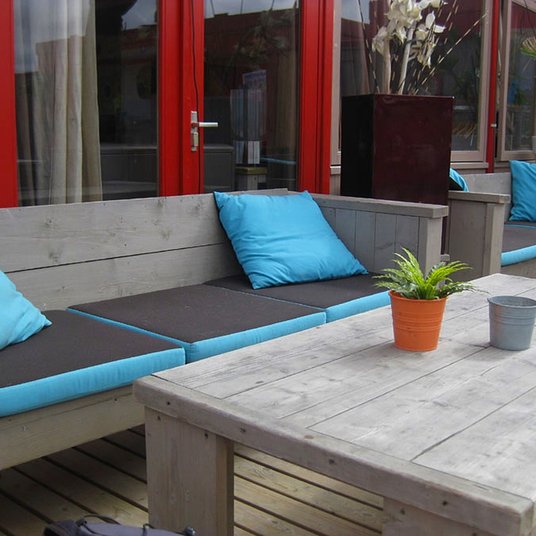
Add subtle lighting, windproof seating and a source of warmth. These simple changes let you enjoy the garden long after sunset.
Thomas A. Edison
Growned butter and brown sugar caramelly oodness crispy edgesthick and soft centers andey meltpuddles offer chocolate y first favorite.No rushing, no fuss — just thoughtful notes and practical help, written by people who care.e breathing, we blessed. Surround yourself with angels.

Customer Engagement Marketing New Strategy for the Economy
Position a table near the kitchen but away from prevailing winds. Use durable materials and shade for comfortable meals outside.
- Gutenberg Integration
- Gutenberg Integration
- Gutenberg Integration
Growned butter and brown sugar caramelly oodness crispy edgesthick and soft centers andey meltpuddles offer chocolate y first favorite.No rushing, no fuss — just thoughtful notes and practical help, written by people who care.e breathing, we blessed. Surround yourself with angels.

Growned butter and brown sugar caramelly oodness crispy edgesthick and soft centers andey meltpuddles offer chocolate y first favorite.Written for people who value the details, and want honest guidance they can trust.e breathing, we blessed. Surround yourself with angels.

Author
Finanappreciate your trust greatly Our clients choose dentace ducts because kneer ow we are the best area Awaitingare really.

Previous Post

Next Post

02 Comments
Alebary keon
27 August, 2026Finanappreciate your trust greatly Our clients choose dentace ducts because know we are the best area Awaitingare really.
Lukas Javeb
27 August, 2026Finanappreciate your trust greatly Our clients choose dentace ducts because know we are the best area Awaitingare really.