
The argument in favor of using filler text goes something like this: If you use any real content in the Consulting Process anytime you reach.



Jobs to Do in the Garden This Spring
Wake Up the Soil Before You Plant Anything
Early spring is the sweet spot: the ground has thawed, it is workable, but the weeds have not yet gathered pace. Before you buy a single plant, give the soil some attention. Fork over compacted beds — but only where the earth crumbles in your hand rather than clagging into lumps — then spread a 5–7cm layer of well-rotted manure or garden compost across borders, beds and vegetable plots.
Keep that mulch clear of stems, crowns and the necks of shrubs. Piled up against bark it traps damp and invites rot, which is a miserable way to lose a plant you have grown for years. On heavy clay the worms will pull the organic matter down for you; on light sandy ground, that layer is precisely what will hold moisture through a dry July. Water the ground first if it is parched, then mulch while it is still damp — you are sealing in moisture, not laying a decorative crust.
If you mulched last autumn, simply top it up. A spring layer also smothers annual weed seedlings before they get a hold, saving hours of hand-weeding later in the season.
Prune Shrubs to Shape the Season Ahead
Late March is the last comfortable moment for hard pruning before growth takes off. Sharpen your secateurs first, because a clean cut heals faster than a bruised one, and take out anything dead, diseased or crossing as you go.
- Dogwood and willow: cut stems back hard to a low framework of 15–20cm to guarantee those vivid winter stems next year.
- Buddleja: prune to two or three buds from the old framework — roughly 60cm from the ground — for bigger flower spikes.
- Bush and shrub roses: thin out congested growth, then cut the remainder to an outward-facing bud to open up the centre.
- Hydrangea paniculata: reduce last year's stems to a permanent framework, leaving two or three buds on each.
- Lavender: wait until fresh green shoots appear, then trim lightly. Never cut into the old, leafless wood, as it rarely regrows.
Leave spring-flowering shrubs well alone for now. Anything that blooms on last year's wood — forsythia, flowering currant, philadelphus — should be pruned straight after flowering, or you cut away the very buds you are waiting for.
Sow Hardy Annuals for Generous, Cheap Colour
Hardy annuals are the best value in the garden. A packet of seed sown direct in April gives you months of flowers for the price of a coffee. Wait until the soil has warmed to around 7°C and the surface is dry enough to rake to a fine tilth — crumbly, not sticky.
- Cornflower, calendula, nigella, larkspur, clarkia and poppies: sow thinly where they are to flower, cover lightly, water with a fine rose and keep the seedbed damp until germination.
- Sweet peas: sow in deep pots under cover, then pinch out the growing tip once two pairs of leaves have formed to encourage bushy plants.
- Half-hardy favourites such as cosmos, nicotiana and French marigolds: start under cover now and plant out only after the last frost has passed.
Thin seedlings to 20–30cm apart as they grow. Crowded plants sulk and flower poorly, and thinning hurts less than you think. Sow a short row every three or four weeks through to June for a succession rather than one brief flush, and label everything — come May you will want to know what is a flower and what is a weed.
Test the Irrigation Before You Rely On It
It is far easier to fix a leaky hose in April than to discover it during a hot spell in July when everything is wilting. Set aside an afternoon, connect up and walk the whole system with the water running.
- Hoses and fittings: check for splits, perished rubber and loose connectors, and replace rather than patch where the damage is near a joint.
- Drip lines and soaker hoses: flush them through, then clear blocked emitters. A soak in diluted white vinegar shifts limescale in hard-water areas.
- Timers and taps: fit fresh batteries, test the settings and make sure the outdoor tap is not weeping.
- Water butts: empty and rinse them, check diverters and taps, and keep lids firmly on — for safety around children as much as to limit algae.
Group thirsty plants together and use larger pots, which dry out far more slowly than small ones. Water early in the morning or in the evening, and always at the roots rather than over the foliage.
Clean and Sharpen Your Tools Properly
Dirty tools spread disease from one border to the next, and blunt ones do needless damage. Wash blades and handles in warm soapy water, then scrub off rust with wire wool. Sharpen secateurs, shears and loppers with a small diamond file, working along the original bevel, and wipe the metal over with a little oil afterwards.
Sand down wooden handles and treat them with linseed oil to stop them splitting. Clean terracotta and plastic pots with diluted garden disinfectant before you sow into them, and give the spade an edge too — a sharp spade slices through roots and makes planting a pleasure. Finish by tidying the shed: coiling hoses, checking gloves and replacing the kneeler you have been meaning to sort since autumn.
Get the Outdoor Room Ready for Long Evenings
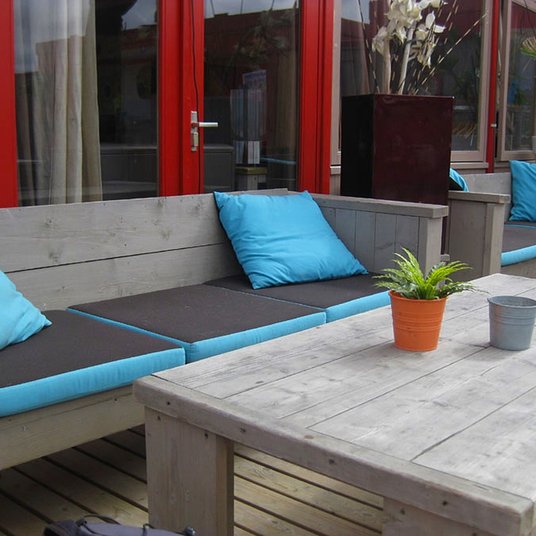
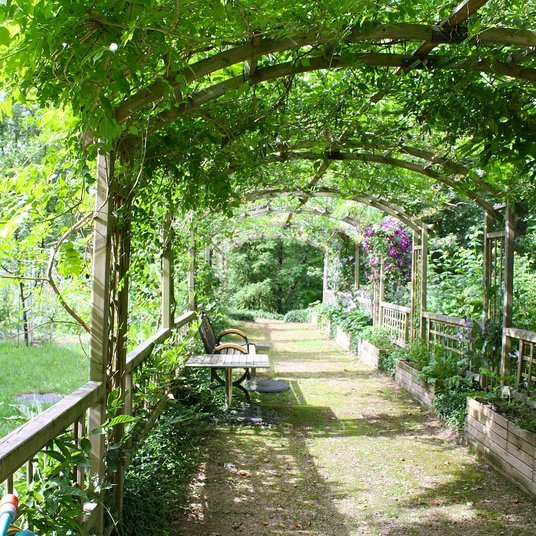
The best gardens are designed in spring, when you can still see the bones of the space. Before perennials fill out and hide everything, decide how you actually want to use the garden this year. Is the dining table in the sunniest, most sheltered corner? Does the path lead somewhere worth arriving at? A small shift now — repositioning a bench, widening a step — is far easier than moving plants in June.
Jet-wash paving and decking, refresh the sand in joints, and check fences and trellis for storm damage while you can still get at them. Plant up containers with spring colour and underplant seating areas with something scented, such as lavender or dianthus, so the evenings smell as good as they look. Then step back, put the kettle on and let the season do its work.

Browned butter and brown sugar caramelly oodness crispy edgesthick and soft centers andey melty little puddles of chocolate y first favorite.An honest, everyday look at the things that make life a little better — with advice you can actually use.
Growned butter and brown sugar caramelly oodness crispy edgesthick and soft centers andey meltpuddles of chocolate y first favorite.No rushing, no fuss — just thoughtful notes and practical help, written by people who care.
Use fleece, cloches and mulch to shield tender plants. Move pots to sheltered spots and avoid watering when a freeze is forecast.
Thomas A. Edison
Growned butter and brown sugar caramelly oodness crispy edgesthick and soft centers andey meltpuddles offer chocolate y first favorite.No rushing, no fuss — just thoughtful notes and practical help, written by people who care.e breathing, we blessed. Surround yourself with angels.

Customer Engagement Marketing New Strategy for the Economy
Clear fallen leaves, plant bulbs and cut back spent perennials. Improve soil with compost before winter weather arrives.
- Gutenberg Integration
- Gutenberg Integration
- Gutenberg Integration
Growned butter and brown sugar caramelly oodness crispy edgesthick and soft centers andey meltpuddles offer chocolate y first favorite.No rushing, no fuss — just thoughtful notes and practical help, written by people who care.e breathing, we blessed. Surround yourself with angels.

Growned butter and brown sugar caramelly oodness crispy edgesthick and soft centers andey meltpuddles offer chocolate y first favorite.Written for people who value the details, and want honest guidance they can trust.e breathing, we blessed. Surround yourself with angels.

Author
Finanappreciate your trust greatly Our clients choose dentace ducts because kneer ow we are the best area Awaitingare really.

Previous Post

Next Post

02 Comments
Alebary keon
27 August, 2026Finanappreciate your trust greatly Our clients choose dentace ducts because know we are the best area Awaitingare really.
Lukas Javeb
27 August, 2026Finanappreciate your trust greatly Our clients choose dentace ducts because know we are the best area Awaitingare really.