
The argument in favor of using filler text goes something like this: If you use any real content in the Consulting Process anytime you reach.



Autumn Garden Tasks for a Healthy Plot
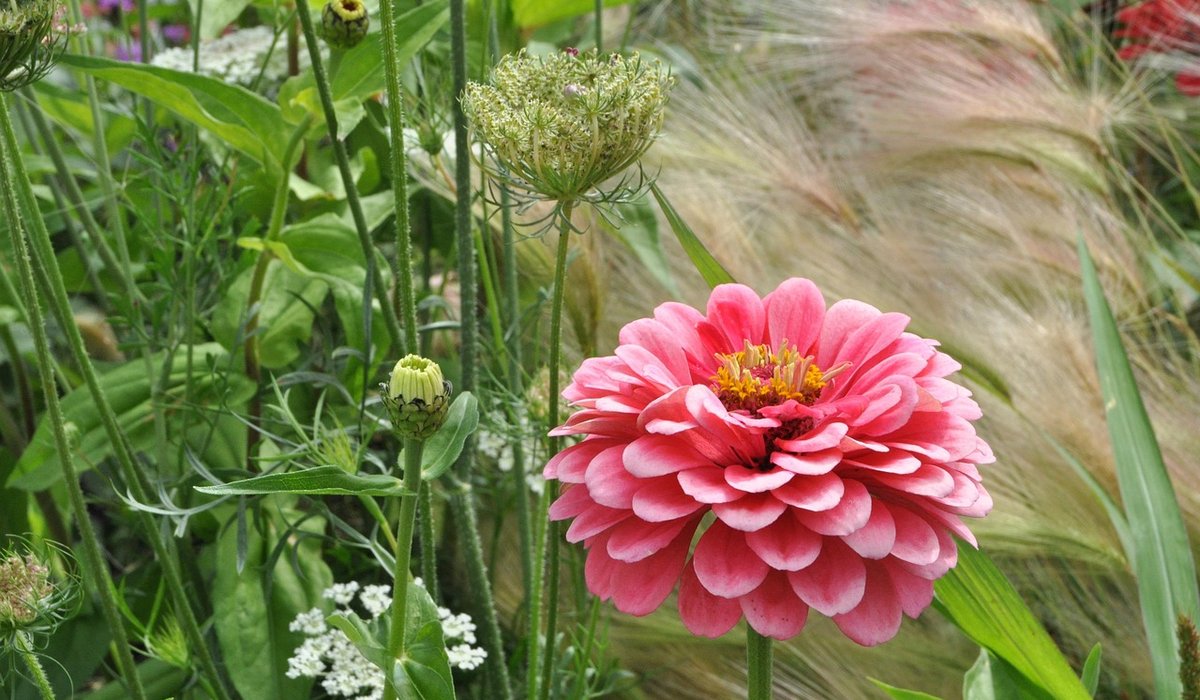
There is a particular pleasure in an autumn afternoon in the garden. The frantic watering of July is behind you, the ground is still warm from summer, and the rain arrives often enough to do half the work for you. This is the season when the smallest jobs pay the largest dividends, because everything you do now is quietly banked by the soil and released again next spring. Set aside a few weekends between October and early December and your plot will thank you for it.
Start with the Leaves — A Resource, Not a Chore
Fallen leaves are the most underrated freebie in gardening, but they do need moving. Left in thick wet layers on a lawn, they smother the grass, encourage moss and create the kind of damp, airless conditions that fungal disease loves.
- Rake little and often rather than waiting for the whole canopy to drop. A light pass every week is far easier than one heavy session in November.
- Bag them for leafmould. Fill bin bags or a wire frame, punch a few holes for drainage, keep them damp and leave them for twelve months. The result is a crumbly, dark conditioner that is perfect for mulching borders and improving potting compost.
- Leave a thin scattering on beds. Worms will pull a light layer down into the soil, feeding it as they go. Just clear any drifts sitting on low alpines, small seedlings or the crowns of delicate plants.
If you have a large lawn, a rotary mower run over the leaves will chop them into a fine mulch you can leave in place — but only if the layer is thin.
Plant Bulbs While the Ground Is Still Warm
Bulbs need to make roots before the cold sets in, and soil temperatures are on your side right through to early December. The old rule of thumb is to plant at roughly two to three times the bulb's own depth.
- Narcissi: 10–15cm deep, and happiest in borders where they can naturalise.
- Tulips: 15–20cm deep. Delay until late October or November where you can, as this reduces the risk of tulip fire.
- Alliums: around 10cm, in bold clumps for that lovely late-spring hovering effect.
- Crocus and other small species: 5–8cm, planted in generous drifts rather than tidy lines.
For a reliable trick, toss a handful of bulbs across the border and plant them exactly where they land — the result always looks more natural. In pots, layer them up lasagne-style: tulips deepest, then daffodils, then crocus near the surface. Use gritty, free-draining compost and never let bulbs sit in a waterlogged saucer. If squirrels are a nuisance, peg a sheet of chicken wire over the pot or bed until the ground freezes.
Cut Back — But Leave Something for the Birds
Herbaceous perennials that have yellowed and collapsed can be cut to 5–10cm and the debris cleared. This is also the ideal moment to lift and divide congested clumps of crocosmia, hardy geranium and aster, replanting the healthier outer pieces with a handful of compost.
Resist the urge to tidy everything, though. Seedheads on echinacea, teasel, eryngium and ornamental grasses feed finches and look wonderful rimed with frost. Leave hollow stems standing at around 30–45cm for overwintering insects, or bundle and tie them in a sheltered corner. And do not cut penstemon, salvia, verbena or fuchsia hard before winter — their top growth protects the crown. Tidy them in spring instead, once new shoots appear.
Anything diseased goes in the bin, not the compost heap.
Improve the Soil Before Winter Arrives
Autumn mulching is the single best investment you can make in next year's borders. Spread 5–8cm of garden compost or well-rotted manure over empty ground and let worms and frost work it in for you.
- Stay off saturated soil. Walking on wet clay destroys its structure and compacts it for years. Work from a board if you must cross a bed.
- Mulch around crowns, not over them. Keep material clear of stems to avoid rotting the plant's growing point.
- Refresh pots with a mix of old compost and new, and top-dress anything permanent.
This is also the best window for planting bare-root trees, roses and hedging. Between November and March, while they are dormant, they establish far better than container-grown plants.
Winter-Proof Pots, Structures and Lawns
A little forward planning saves a lot of breakages. Raise terracotta pots onto feet, empty saucers so roots do not drown, and move tender containers into shelter or wrap them with bubble insulation. Check stakes, ties, greenhouse panes, guttering and drainpipes before the first storm arrives.
For the lawn, give it one last cut with the blades raised to around 4cm, and never mow when the grass is wet or frosted. Aerate compacted areas with a garden fork, brush in a sandy top-dressing and clear any lingering moss. Then keep off it during hard frosts — footprints on frozen grass leave brown scars that take months to grow out.
Finally, leave one corner a little wild: a log pile, a heap of leaves, a patch of uncut stems. A garden that is not too tidy in autumn is a garden that hums with life come spring.

Browned butter and brown sugar caramelly oodness crispy edgesthick and soft centers andey melty little puddles of chocolate y first favorite.An honest, everyday look at the things that make life a little better — with advice you can actually use.
Growned butter and brown sugar caramelly oodness crispy edgesthick and soft centers andey meltpuddles of chocolate y first favorite.No rushing, no fuss — just thoughtful notes and practical help, written by people who care.
Use vertical planting, slim furniture and mirrors to make a narrow plot feel larger. Keep paths clear and colours light.
Thomas A. Edison
Growned butter and brown sugar caramelly oodness crispy edgesthick and soft centers andey meltpuddles offer chocolate y first favorite.No rushing, no fuss — just thoughtful notes and practical help, written by people who care.e breathing, we blessed. Surround yourself with angels.

Customer Engagement Marketing New Strategy for the Economy
Choose compact varieties like salad leaves, radishes and dwarf beans. Use deep pots and water regularly during dry spells.
- Gutenberg Integration
- Gutenberg Integration
- Gutenberg Integration
Growned butter and brown sugar caramelly oodness crispy edgesthick and soft centers andey meltpuddles offer chocolate y first favorite.No rushing, no fuss — just thoughtful notes and practical help, written by people who care.e breathing, we blessed. Surround yourself with angels.

Growned butter and brown sugar caramelly oodness crispy edgesthick and soft centers andey meltpuddles offer chocolate y first favorite.Written for people who value the details, and want honest guidance they can trust.e breathing, we blessed. Surround yourself with angels.

Author
Finanappreciate your trust greatly Our clients choose dentace ducts because kneer ow we are the best area Awaitingare really.

Previous Post


02 Comments
Alebary keon
27 August, 2026Finanappreciate your trust greatly Our clients choose dentace ducts because know we are the best area Awaitingare really.
Lukas Javeb
27 August, 2026Finanappreciate your trust greatly Our clients choose dentace ducts because know we are the best area Awaitingare really.