
The argument in favor of using filler text goes something like this: If you use any real content in the Consulting Process anytime you reach.

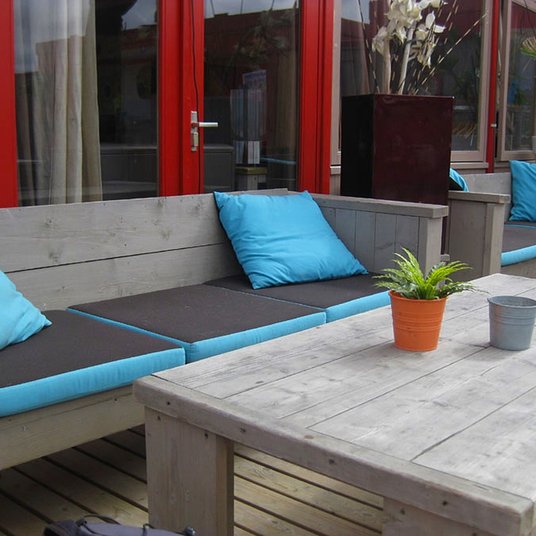
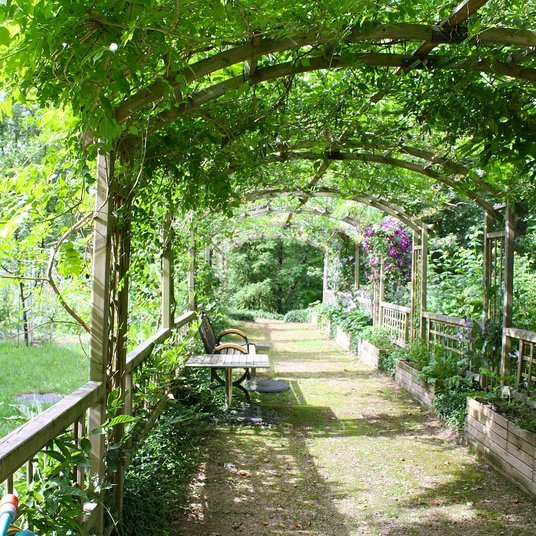
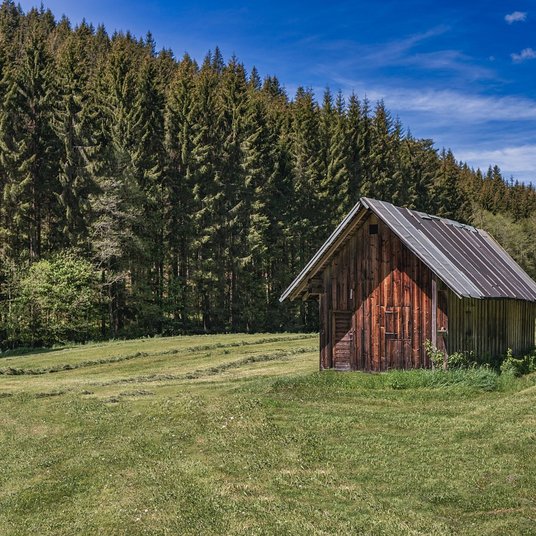

Creating Curves and Straight Lines in Design

Why Mixing the Two Makes a Garden Feel Designed
A garden made entirely of straight lines can end up feeling like a car park with shrubs. A garden made entirely of curves can feel pleasant but vague, as though nobody quite decided what was going on. The interesting spaces are almost always a conversation between the two.
Straight lines organise. They give the eye something to follow, they make small plots feel bigger, and they create the kind of calm, legible structure that makes a garden easy to live in. Curves relax. They draw you forward, hide what's around the corner, and soften the hard edges that buildings and boundaries impose on us. Used together, each one makes the other look better.
Think about how you actually move through a garden. You want to get from the back door to the shed reasonably directly, but you're happy to wander on the way to the seating area. Straight lines serve the first job; curves serve the second. Design for both and the space will feel natural rather than forced.
Start With Boundaries and Levels
Before you draw a single arc, walk the plot and take stock. Boundary fences, walls, the house itself, manhole covers, drainage runs and mature tree roots all set the rules you're working within. Most UK gardens have at least one strong straight edge, and fighting it is exhausting. Work with it instead.
Spend an hour noting the fixed points:
- The true line of the house wall and any side boundaries, measured rather than guessed.
- Levels, checked with a long spirit level and straight edge, or a length of clear hose filled with water.
- Where the sun lands at midday and where water sits after heavy rain.
- Any services running under the garden, so you don't plant a tree on top of a drain.
Once you know what can't move, decide which existing lines you'll repeat and where you'll break the pattern with a curve. That single decision shapes everything else.
Straight Lines: The Bones of the Garden
Use straight lines wherever you need structure, storage or a strong sense of order.
Raised beds are the classic example. Timber beds around 1.2m wide let you reach the centre from either side without treading on the soil, and 450mm high gives comfortable seating height as well as decent root depth. Sleepers, brick, or rendered block all work; keep the corners genuinely square and the whole garden instantly looks more considered.
Boundaries benefit from crisp treatment. A straight fence line, a neat trellis above it, and a clean gravel margin at the base will do more for the space than any amount of decorative planting. Keep fence heights within permitted development limits unless you've checked otherwise, and remember that a boundary shared with a neighbour comes with its own rules.
Paving laid in a simple grid of sawn sandstone or porcelain, in a running bond, is hard to beat. Set the joints consistently, keep the fall away from the house at roughly 1 in 60, and resist the urge to introduce a diagonal "for interest". A calm grid is the foil that makes your curves sing.
Curves: Paths, Lawns and Planting Pockets
Curves earn their keep on paths, lawn shapes and border edges. The key word is gentle. A sweeping radius looks confident; a series of tight wiggles looks fussy and is a nightmare to edge.
Lay curves out with a hosepipe or a length of rope, then stand back and look at them from an upstairs window before you dig anything. As a rule of thumb, a curve with a radius of 3–4m reads as a deliberate sweep rather than an accident. For width, allow 900mm on a main route and 600mm on a secondary one; anything narrower will feel like a squeeze once plants flop over the edge.
Lawns respond beautifully to a curved edge, especially where the border runs alongside. The concave side of a curve creates a natural pocket for a specimen plant or a bench, and the convex side gives you a spot to place something with real presence. Gravel areas can curve too, and they're far more forgiving of a wobbly edge than turf.
Where the Two Meet
Junctions are where a design succeeds or fails. Don't let a curve simply stop dead at a straight edge. Meet it deliberately, and the transition becomes a feature rather than a compromise.
- Bring a curving path into a straight patio at a right angle, then flare the final metre so it opens out.
- Use a straight kerb line as the "shore" for a curved gravel area, so the geometry does the tidying up.
- Set a single square slab as a threshold where a curve meets a straight run — a small, deliberate pause.
- Repeat one material across both, in different formats, to tie the two languages together.
The aim is for the curve to arrive somewhere, not to collide with something.
Planting, Materials and Keeping It Manageable
Planting can reinforce each language. Clipped box, yew or privet in straight lines or crisp cubes echo the geometry and hold their shape through winter. Loose, soft planting suits the curves: alchemilla, hardy geraniums, hakonechloa, ferns, gaura and ornamental grasses all blur an edge beautifully and forgive a slightly imperfect line.
Keep your hard materials to two or three and repeat them. A single paving type, one gravel, and one edging material will make a modest plot feel generous and expensive. Curves do cost more to edge and to pave, so budget accordingly, and consider a steel or granite edge to hold the shape where a lawn meets a border.
Finally, build in the right order. Set out the straight lines first — patio, beds, boundaries — and then lay your curves into them. Working that way means everything square stays square, and every radius has something reliable to be measured against.

Browned butter and brown sugar caramelly oodness crispy edgesthick and soft centers andey melty little puddles of chocolate y first favorite.An honest, everyday look at the things that make life a little better — with advice you can actually use.
Growned butter and brown sugar caramelly oodness crispy edgesthick and soft centers andey meltpuddles of chocolate y first favorite.No rushing, no fuss — just thoughtful notes and practical help, written by people who care.
Certain climbers thrive without full sun. Choose self-clinging varieties or use wires to help them cover a cool, north-facing wall.
Thomas A. Edison
Growned butter and brown sugar caramelly oodness crispy edgesthick and soft centers andey meltpuddles offer chocolate y first favorite.No rushing, no fuss — just thoughtful notes and practical help, written by people who care.e breathing, we blessed. Surround yourself with angels.

Customer Engagement Marketing New Strategy for the Economy
Lavender needs free-draining soil and plenty of sunshine. Trim it after flowering to keep plants compact and full of scent.
- Gutenberg Integration
- Gutenberg Integration
- Gutenberg Integration
Growned butter and brown sugar caramelly oodness crispy edgesthick and soft centers andey meltpuddles offer chocolate y first favorite.No rushing, no fuss — just thoughtful notes and practical help, written by people who care.e breathing, we blessed. Surround yourself with angels.

Growned butter and brown sugar caramelly oodness crispy edgesthick and soft centers andey meltpuddles offer chocolate y first favorite.Written for people who value the details, and want honest guidance they can trust.e breathing, we blessed. Surround yourself with angels.

Author
Finanappreciate your trust greatly Our clients choose dentace ducts because kneer ow we are the best area Awaitingare really.

Previous Post

Next Post

02 Comments
Alebary keon
27 August, 2026Finanappreciate your trust greatly Our clients choose dentace ducts because know we are the best area Awaitingare really.
Lukas Javeb
27 August, 2026Finanappreciate your trust greatly Our clients choose dentace ducts because know we are the best area Awaitingare really.