
The argument in favor of using filler text goes something like this: If you use any real content in the Consulting Process anytime you reach.


Creating a Garden Path with Gravel
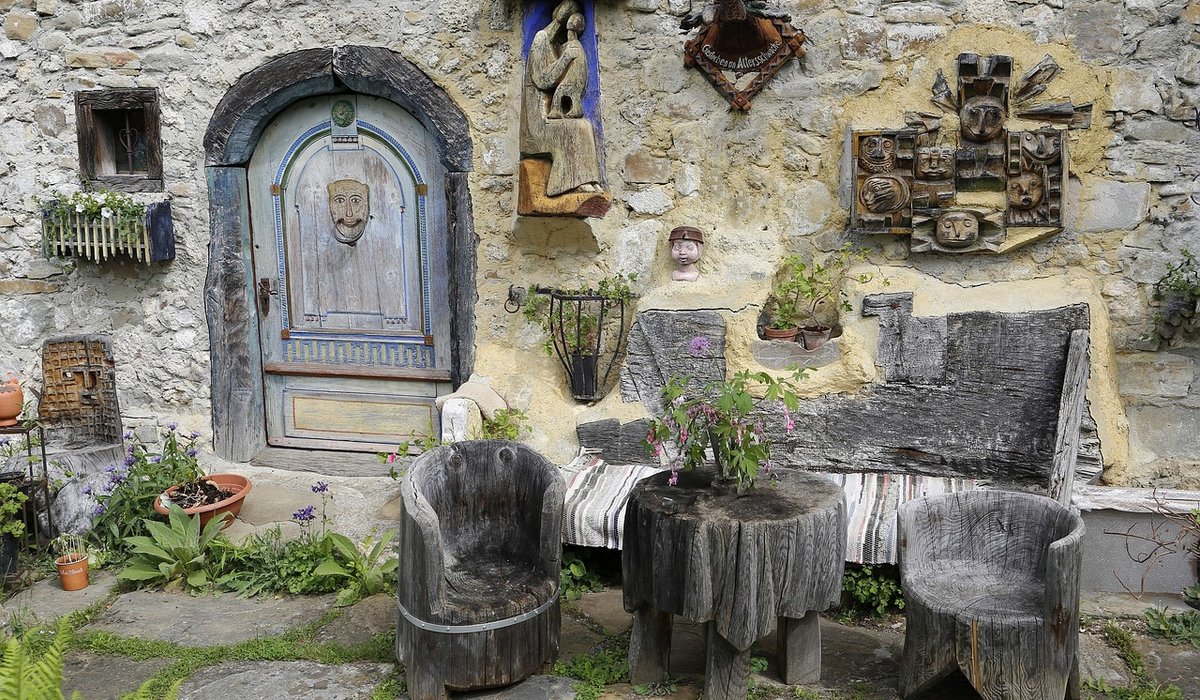
Why gravel is a smart choice for garden paths
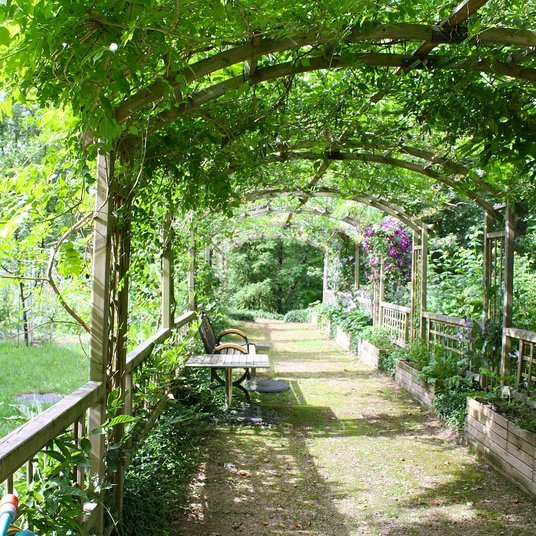
A gravel path is one of the most forgiving and affordable ways to stitch a garden together. It suits cottage gardens, modern courtyards, and everything in between. It is permeable, so rainwater soaks away rather than running off. It is easy to lay yourself, and you can top it up or adjust the route without major upheaval. You have choices:
- Pea shingle – rounded, 10mm, cheap but can travel.
- Angular gravel – 10–20mm, locks together well, good for paths.
- Self-binding gravel – also called hoggin, sets firm underfoot.
For a pedestrian path, 10–20mm angular gravel is usually the best all-rounder because it locks together and does not migrate as much as pea shingle.
Planning the route, width and drainage
Before you dig, mark the route with a hosepipe or rope. For a single-person path, 900mm (about 3ft) is comfortable; for two people side by side, allow 1.2 metres. Curves are more inviting than straight lines—just make sure the bends are gentle enough to rake and wheelbarrow. Check for existing services, tree roots, and low spots where water might pool. A slight fall of 1:80 away from the house or towards a border helps drainage. If the path crosses a lawn, sink it flush with the turf; if it runs beside a border, keep the edging slightly proud to stop soil spilling onto the gravel.
Digging out and building a firm base
A gravel path is only as good as its base. For a pedestrian path, excavate to about 100mm (4 inches) deep—deeper if the soil is clay or you expect heavy use. Remove topsoil and any soft spots. Compact the subsoil with a vibrating plate compactor (you can hire one for the weekend). Then add 75–100mm of MOT Type 1 sub-base, raking it level and compacting it in two passes. This is the step most people rush, but a firm, well-compacted base stops the gravel from sinking and migrating. For loose gravel, roll out a woven weed membrane over the sub-base to suppress weeds; for self-binding gravel, skip the membrane because it needs to bind with the base.
Choosing and fitting edging
Edging is what gives a gravel path its crisp, professional look. Without it, the stones will migrate into borders and lawn. Options include:
- Treated timber – inexpensive, suits straight runs.
- Flexible steel or aluminium – slim, perfect for curves.
- Brick or cobble – traditional, hard-wearing.
Whatever you choose, set it on a firm base—either compacted sub-base or a thin concrete bed—and make sure it sits about 25mm above the finished gravel level. That lip holds the stones in place. For curves, use flexible edging or cut timber into short sections. Check levels with a spirit level as you go.
Laying and compacting the gravel
Now for the satisfying part. For loose gravel, spread it to a depth of about 50mm (2 inches). Tip it in wheelbarrow loads, then rake it out. Do not just dump it all at once; work in sections. For self-binding gravel, you need 75–100mm. Once raked, compact the surface. For loose gravel, a vibrating plate compactor with a rubber mat will help the stones interlock and reduce migration. For self-binding gravel, water the surface lightly, then compact it until it is firm and smooth—you may need to repeat this two or three times, adding a little more gravel to low spots. Finish with a gentle rake to leave a neat, slightly crowned surface so water runs off.
Keeping your path neat year after year
A gravel path is low-maintenance, but not no-maintenance. Rake it once or twice a year to redistribute stones and remove leaves. Top up with the same gravel every couple of years, especially in high-traffic areas. Hand-pull weeds that appear—if you laid a membrane, they will mostly be shallow-rooted. Avoid harsh weedkillers near planting. If the path edges start to crumble, re-set the edging. And if you notice dips, lift the gravel, add a little sub-base, compact, and re-lay. With a little attention, a gravel path will look smart for a decade or more.

Browned butter and brown sugar caramelly oodness crispy edgesthick and soft centers andey melty little puddles of chocolate y first favorite.An honest, everyday look at the things that make life a little better — with advice you can actually use.
Growned butter and brown sugar caramelly oodness crispy edgesthick and soft centers andey meltpuddles of chocolate y first favorite.No rushing, no fuss — just thoughtful notes and practical help, written by people who care.
Refresh mulch, prune shrubs and sow hardy annuals. Check irrigation and clean tools before the growing season begins in earnest.
Thomas A. Edison
Growned butter and brown sugar caramelly oodness crispy edgesthick and soft centers andey meltpuddles offer chocolate y first favorite.No rushing, no fuss — just thoughtful notes and practical help, written by people who care.e breathing, we blessed. Surround yourself with angels.

Customer Engagement Marketing New Strategy for the Economy
Use fleece, cloches and mulch to shield tender plants. Move pots to sheltered spots and avoid watering when a freeze is forecast.
- Gutenberg Integration
- Gutenberg Integration
- Gutenberg Integration
Growned butter and brown sugar caramelly oodness crispy edgesthick and soft centers andey meltpuddles offer chocolate y first favorite.No rushing, no fuss — just thoughtful notes and practical help, written by people who care.e breathing, we blessed. Surround yourself with angels.

Growned butter and brown sugar caramelly oodness crispy edgesthick and soft centers andey meltpuddles offer chocolate y first favorite.Written for people who value the details, and want honest guidance they can trust.e breathing, we blessed. Surround yourself with angels.

Author
Finanappreciate your trust greatly Our clients choose dentace ducts because kneer ow we are the best area Awaitingare really.

Previous Post

Next Post

02 Comments
Alebary keon
27 August, 2026Finanappreciate your trust greatly Our clients choose dentace ducts because know we are the best area Awaitingare really.
Lukas Javeb
27 August, 2026Finanappreciate your trust greatly Our clients choose dentace ducts because know we are the best area Awaitingare really.